
Torpoint "Bridge to Zero" ferry project
Project overview
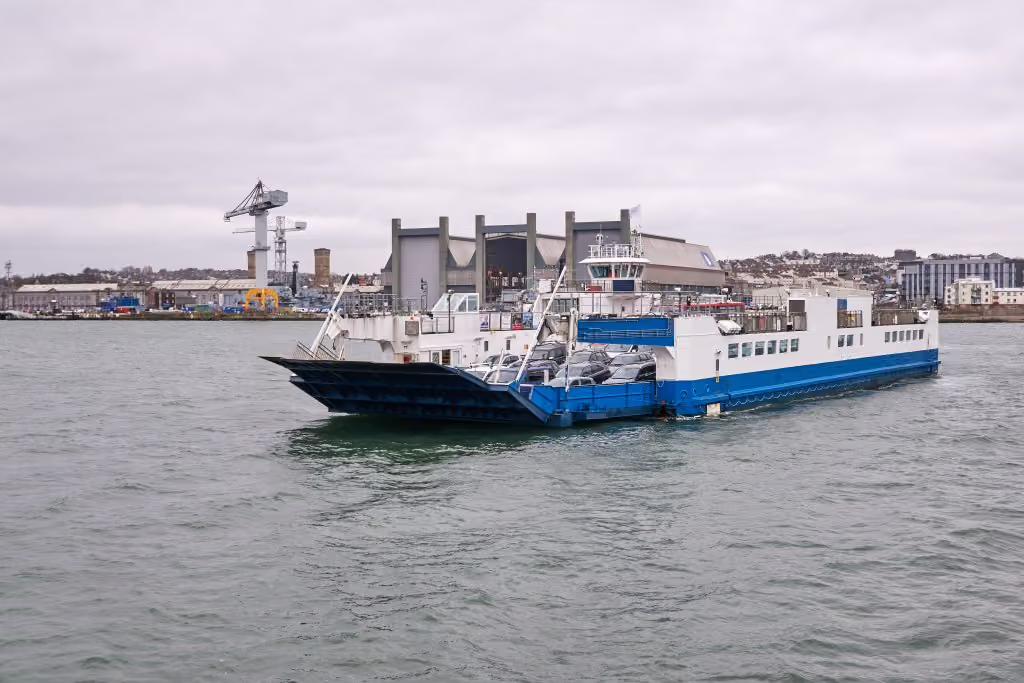
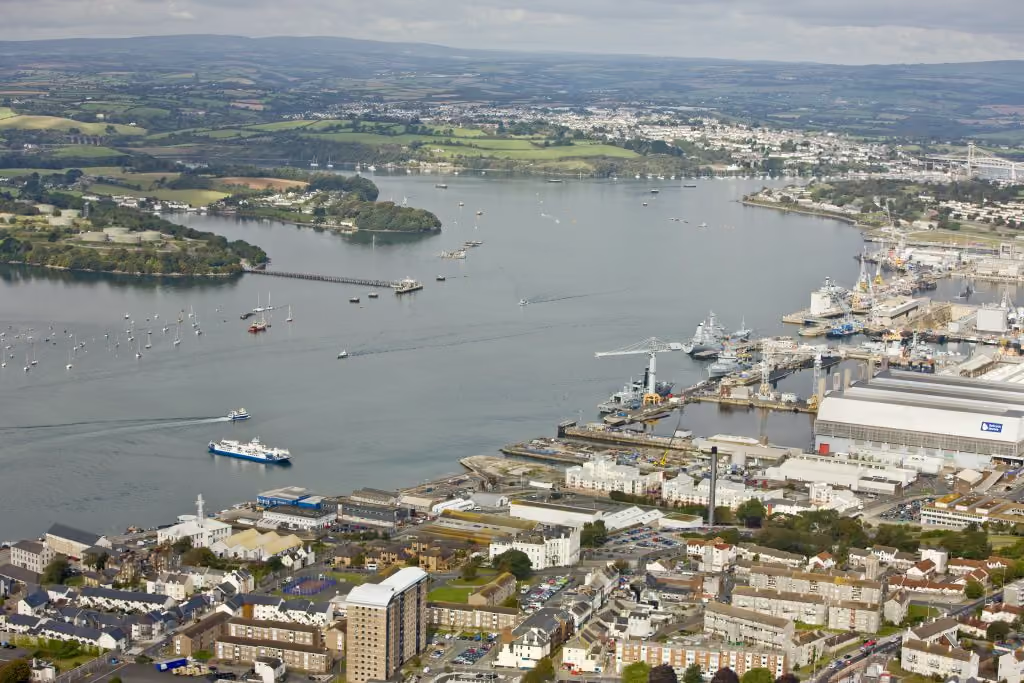
The Torpoint “Bridge to Zero” project is a 2025–2026 feasibility and engineering study for the chain ferry service linking Torpoint, Cornwall, and Devonport, Plymouth, across the River Tamar. Led by Marine Zero in partnership with Tamar Crossings and the University of Plymouth, the study is developing a costed plan to replace onboard diesel generation while maintaining round-the-clock service. The ferries carry more than 3 million vehicles and approximately 400,000 pedestrians each year.
Marine Zero and the University of Plymouth are using onboard monitoring data to assess how much power the ferries need during everyday operations. In February 2026, Marine Zero reported five options for further assessment: hydrogen fuel, a fixed power cable on a reel, portable battery modules, automated fast charging and a “Charge at Anchor” system. The study examines how these options could fit existing vessels and terminals, what they would cost to install and operate, and how the findings could inform fleet replacement planning from 2034.
Marine Zero estimates that the options under study could cut CO₂ emissions by up to 1,000 tonnes per year, with potential benefits for local air quality and noise. The UK Department for Transport funds the study through UK SHORE, with Innovate UK as delivery partner.
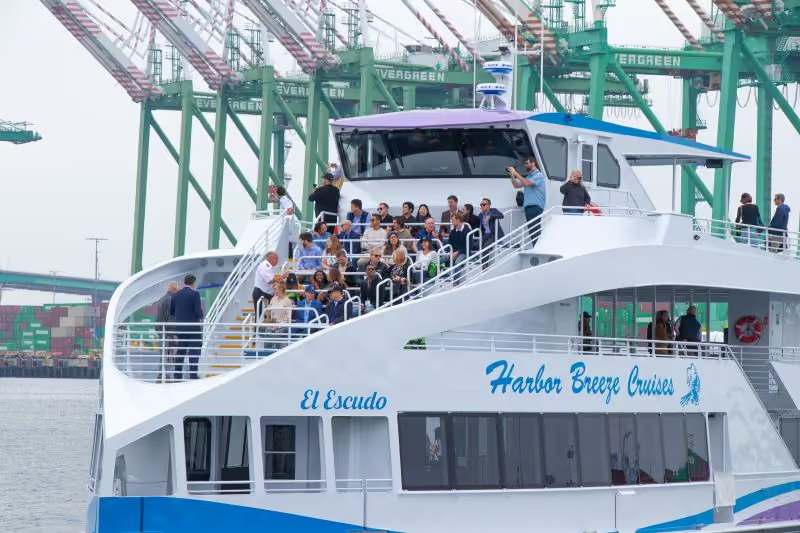
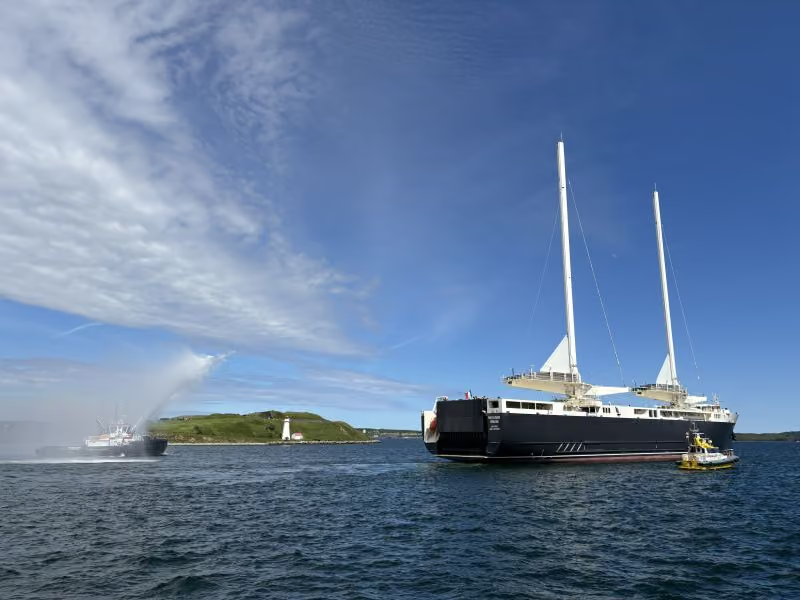
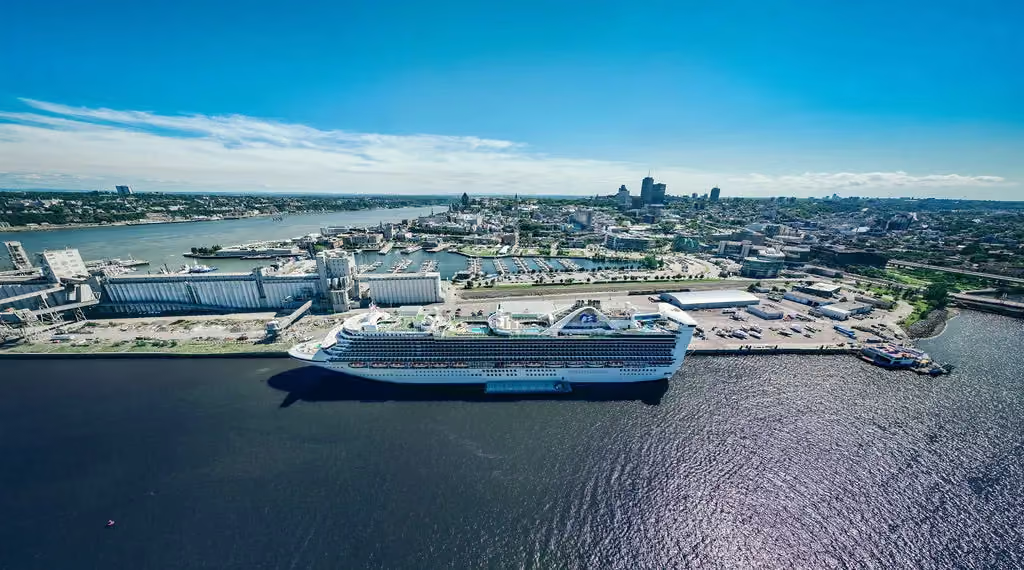
Image gallery
Browse the images of this project.

Resources and relevant information
Project contact
Project partners: Marine Zero (lead), University of Plymouth, Tamar Crossings
Email: info@marinezero.com
University of Plymouth staff: Dr Lauren Ansell, Aaron Barrett, Sarah Fear
Explore more projects
Check out these related projects for more insight from port authorities around the world.

Blog title heading will go here



Subscribe to HACC news
Stay informed about our initiatives, upcoming events and blog posts.